

toughened glass 5mm price
Understanding Threaded Ground Anchors Applications, Benefits, and Installation Threaded ground anchors, also known as helical anchors or screw anchors, have gained significant popularity in various civil engineering and construction applications. These innovative foundation solutions provide a reliable means of anchoring structures in a diverse range of soil conditions, thanks to their unique design and functionality. In this article, we will explore the key concepts surrounding threaded ground anchors, their benefits, and the installation process involved. What Are Threaded Ground Anchors? Threaded ground anchors are cylindrical steel shafts with helical fins (or blades) attached to their length. This design allows them to be screwed into the ground, transferring tensile and compressive loads to the soil effectively. The anchor's helical shape facilitates easy penetration into the ground, making installation quicker and less disruptive than traditional foundation methods. Applications of Threaded Ground Anchors These anchors have a wide array of applications across various sectors 1. Residential Construction They are often used in residential projects for house foundations, where they provide critical stability, especially in areas with expansive or unstable soils. 2. Commercial Projects In commercial construction, threaded ground anchors help secure structures such as signs, fences, and retaining walls, offering a robust solution to minimize settlement and movement over time. 3. Seismic and Wind Load Resistance Buildings in seismic zones or areas prone to high winds can benefit significantly from these anchors. They help in stabilizing structures by anchoring them firmly to the ground. 4. Slope Stabilization In geotechnical engineering, threaded ground anchors are used to stabilize slopes, hillsides, and embankments, preventing erosion and landslides. 5. Marine and Waterfront Applications In marine environments, they can be utilized for mooring systems and stabilizing structures against water erosion. Benefits of Threaded Ground Anchors There are several advantages that threaded ground anchors offer - Ease of Installation The installation process is typically quick and requires less heavy machinery compared to traditional methods. They can be installed in restricted spaces with minimal disturbance to the surrounding area. threaded ground anchors - Versatility These anchors can be used in various soil types, ranging from soft soils to solid rock, making them adaptable to different project requirements. - Cost-Effectiveness Their efficiency in installation can lead to significant cost savings, reducing labor and equipment expenses. - Load Capacity Threaded ground anchors have high load-bearing capacities and can be designed to handle specific loads, ensuring safety and compliance with engineering standards. - Minimal Maintenance Once installed, these anchors typically require little to no maintenance, provided that they are properly engineered and installed. Installation Process The installation of threaded ground anchors generally involves the following steps 1. Site Assessment A thorough site assessment is conducted to determine soil conditions and report any local regulations or requirements. 2. Design Implementation Based on the assessment, engineers design the anchor system appropriate for the project's specific load requirements. 3. Installation Using hydraulic machinery or hand-operated equipment, the threaded ground anchor is screwed into the ground to the required depth. 4. Testing After installation, load testing may be conducted to ensure the entire system meets safety specifications and design standards. 5. Final Adjustments Any necessary adjustments are made, and the site is prepared for the next phase of construction. Conclusion Threaded ground anchors represent a modern solution for foundation stability in varied applications. Their myriad benefits, including adaptability to different soil conditions, ease of installation, and cost-effectiveness, make them an ideal choice for engineers and contractors alike. As construction technology continues to advance, the role of threaded ground anchors as a fundamental anchoring solution in engineering projects is set to expand.
about
toughened glass 5mm price
Precision measurement in manufacturing requires specialized tools like micrometer set products, particularly when dealing with threaded components. The indicating micrometer and thread micrometer set offer distinct advantages for different measurement scenarios. This guide explores the key characteristics of these essential precision instruments. Precision Features of Micrometer Set Granite construction provides exceptional stability for micrometer set bases • Non-magnetic properties make indicating micrometer tools ideal for sensitive environments • Acid/alkali resistant materials ensure long-term thread micrometer set durability • Wear-resistant surfaces maintain micrometer set accuracy through extended use • Thermal stability prevents deformation in indicating micrometer components Product Name Height gauge granite base ratio measuring platform micrometer spial Dial gauge Material Granite Color nature Precision 00grade OEM yes Density 2970-3070kg/Cubic metre compressive strength 245-254N/m compressive strength less than 0.13% Coefficient of linear expansion 4.61*10-6/ degree Application Detection component Measuring Range Precision Grade Base Length Base width Base High Bar height Arm length 100*150mm 0.002 00 150 100 50 250 140 150*150mm 0.002 00 150 150 50 250 140 200*150mm 0.002 00 200 150 50 300 140 300*200mm 0.002 00 300 200 50 300 180 400*300mm 0.002 00 300 300 50 300 180 600*400mm 0.002 00 400 300 50 300 180 Technical Specifications of Thread Micrometer Set Measuring ranges tailored for various micrometer set applications • Resolution down to 0.001mm in premium indicating micrometer models • Parallelism accuracy within 0.002mm for thread micrometer set anvils • Hardened measuring faces on micrometer set for extended service life • Ratchet stop mechanisms ensure consistent indicating micrometer pressure Industrial Applications for Indicating Micrometer Quality control inspection using thread micrometer set precision • Machining process verification with micrometer set accuracy • Thread pitch measurement via specialized indicating micrometer tools • Workshop calibration standards employing thread micrometer set references • Research and development applications requiring micrometer set reliability Measurement Advantages of Thread Micrometer Set Direct thread measurement without calculations using micrometer set tools • Consistent results across multiple indicating micrometer operators • Rapid measurement capability with thread micrometer set efficiency • Comprehensive data collection using digital micrometer set models • Traceable accuracy standards for certified indicating micrometer instruments Maintenance Guidelines for Micrometer Set Regular cleaning of thread micrometer set measuring surfaces • Proper storage in protective cases for micrometer set longevity • Periodic calibration verification for indicating micrometer accuracy • Careful handling to prevent thread micrometer set damage • Environmental controls to maintain micrometer set performance Micrometer Set FAQS Q: How does a micrometer set differ from an indicating micrometer in measurement tasks? A: A micrometer set typically includes multiple types of micrometers (e.g., outside, inside) for various dimensional checks. In contrast, an indicating micrometer uses a dial or digital display to show minute measurement changes, often focusing on precision depth or thickness readings. Sets offer versatility, while indicating micrometers prioritize high-accuracy, real-time measurements. Q: When should I choose a thread micrometer set over a standard micrometer set? A: Select a thread micrometer set when measuring thread pitch diameters, crucial in machining, automotive, or plumbing. Its specialized anvils and spindles fit precisely into threads, ensuring accurate readings. A standard micrometer set , on the other hand, suits general-purpose linear measurements like length, width, or diameter of non-threaded components. Q: What maintenance is required for an indicating micrometer within a micrometer set? A: For an indicating micrometer in a set, regularly clean the measuring surfaces with a lint-free cloth to remove debris. Check the calibration annually using a gauge block, as its sensitive dial or digital mechanism can drift over time. Avoid dropping the tool, as impact may misalign the indicator, compromising accuracy across the entire micrometer set . Q: Can a thread micrometer set measure different thread types? A: Yes, many thread micrometer sets come with interchangeable measuring heads to accommodate various thread profiles (e.g., metric, imperial, Acme). However, ensure the set matches your specific thread type’s pitch and angle requirements. If unsure, consult the manufacturer’s guide or opt for a universal set that covers common industrial threads. Q: How do I ensure accuracy when using a micrometer set that includes an indicating micrometer and thread micrometer set? A: Before use, calibrate each micrometer against a known standard. When measuring, apply consistent measuring force—too much can distort readings, too little may yield inaccurate results. For thread micrometers , align the anvils precisely with the thread flanks. For indicating micrometers , zero the dial or display at the start. Regularly check and maintain all components within the micrometer set to uphold long-term accuracy. Welcome to Storaen Machinery – Where Precision Forges the Future,Nestled in Botou, China’s ancient casting capital, Storaen (Cangzhou) International Trading Co. blends 2,000 years of metallurgical heritage with cutting-edge engineering. We’re not just manufacturers—we’re architects of industrial reliability, crafting cast iron welding platforms, precision measuring tools, and gauges that define accuracy for global industries. Our portfolio is a testament to innovation: from granite inspection blocks with HS70+ hardness to digital micrometer sets that measure down to 1μm. Every product carries the Botou legacy—cast in premium alloys, ground to 00-grade flatness, and tested through 27 quality checks. But our edge isn’t just in metal—it’s in mindset. We turn client challenges into custom solutions, whether a aerospace-grade parallel ruler or a factory-scale welding platform. Sustainability runs through our forges: recycled materials, energy-efficient casting, and a carbon-neutral supply chain. Join partners in 46 countries who trust us to power their precision. Explore www.strmachinery.com to discover how 21st-century tech meets timeless craftsmanship. Let’s shape the future—one micron at a time.
-

High quality industrial productsagement

High quality industrial products
View Details -

Meet the diverse needs of customers

Meet the diverse needs of customers
View Details -

Strict quality control

Strict quality control
View Details -

Top raw materials

Top raw materials
View Details -

Trusted supplier

Trusted supplier
View Details
Our application

news and information

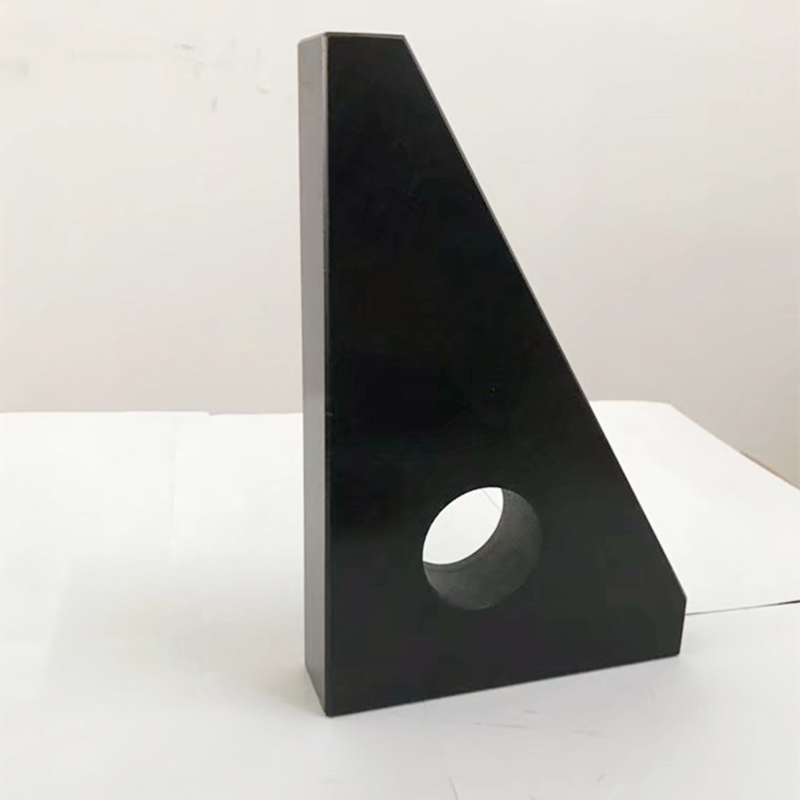
Why the Right Angle Ruler Reigns in Metalworking
In the high-stakes world of metal fabrication, machining, and welding, precision isn't just desirabl

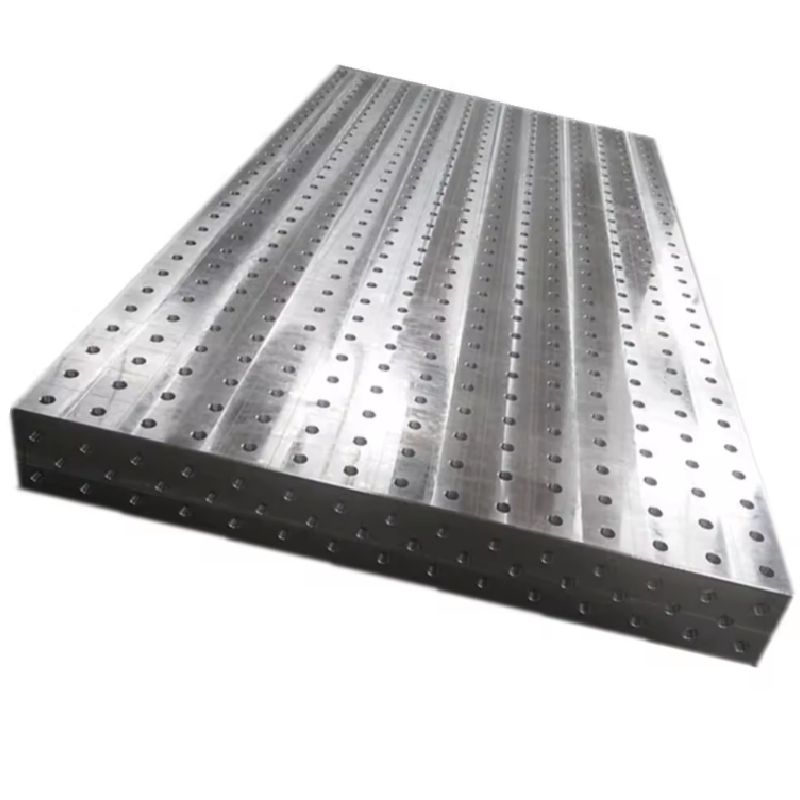
Versatile Clamping Solutions for Welding Tables and Projects
The Importance of Welding Table Clamps in Metal Fabrication Welding is an essential process in metal
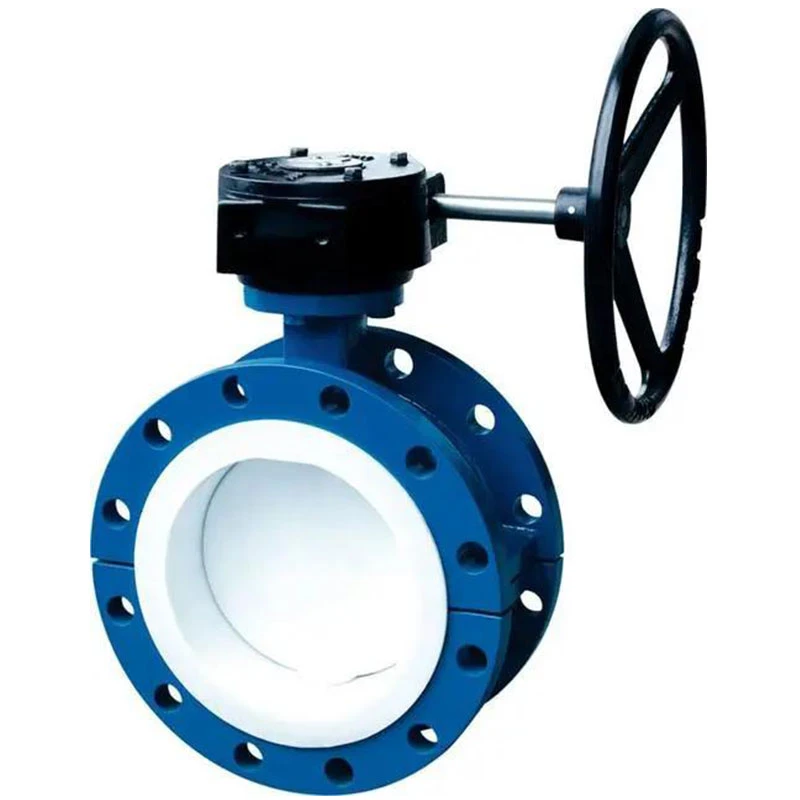
Water Control Valve - Precision Flow Management Solutions
Understanding Water Control Valves A Key Component in Fluid Management Water control valves are esse
 English